
Gear Guides - Junior Tennis
Best Tennis Shoes for Kids & Junior Sizes Explained

Without the right size racquet, junior players may struggle with control and power, while using shoes that aren't designed for tennis can lead to discomfort, slipping and even injury. It's important to invest in proper tennis equipment to ensure that your child can play the game safely and effectively. We have a handy guide to help you find the right racquet size and ball. We also explain the different tennis court sizes for kids as well as some tennis shoe basics.
You'll want to get your junior player the right size tennis racquet so they can comfortably swing it. Junior racquets come in various lengths, from 17 inches to 26 inches. (A standard adult tennis racquet is 27 inches long.) They also come in weights appropriate for younger players and at many price points, from the entry level up to the more expensive models that feature more technologies found in the full adult versions. So, how do you know which size to get your growing tennis player? There are a couple of guides you can use. One quick way is to shop by age. Of course, kids don't all grow at the same rate and are various heights, but here are some general guidelines.

A more accurate way to get the right length racquet is to measure. You'll want to have the junior player stand with their arms hanging naturally at their sides. Measure the distance between the floor and the end of their fingertips. This gives you the approximate length of the racquet they should be using.
Racquets up to the 26-inch length typically only come in one grip size, designed to correspond with the length of the racquet. Some of the higher end, more technical 26-inch length racquets will be available in a couple of grip sizes. They are usually 4 or 4 1/8. Those numbers are references to the grip's circumference in inches. You can measure the child's palm to determine which size is better. With the dominant hand open and fingers extended close together, align a ruler with the bottom lateral crease of the palm and measure to the tip of the ring finger. Use that measurement to guide you on which grip size to choose. Read our full tutorial on how to find the right grip size.
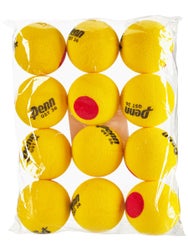
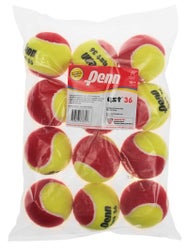
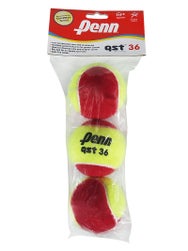
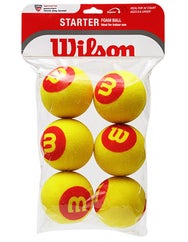
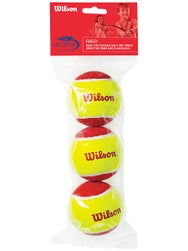
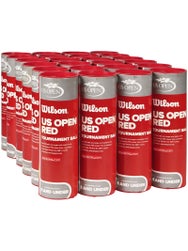
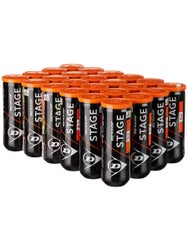
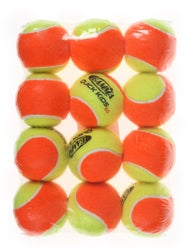
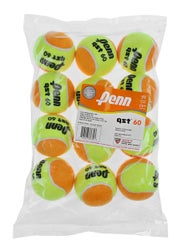
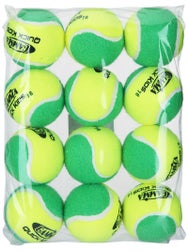
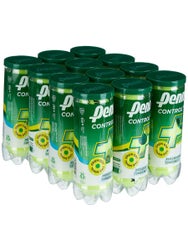
There are tennis balls designed for younger players to learn the game. Even adults learning the game can use these as tools to develop their tennis strokes. Junior tennis balls are not only a great tool to learn the game, but they're also important. Because junior racquets are lighter, regular adult tennis balls are too hard and high bouncing for young players to play with comfortably. There are three levels of junior tennis balls, and they are color coded as a guide. The balls may still have some optic yellow on them, but you find red, orange or green markings on them.
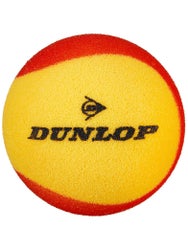
These balls are larger and are the lowest bouncing junior tennis balls. They can be made of foam or felt. Generally speaking, these are a great fit for kids up through age 8.
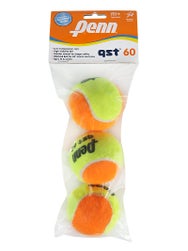
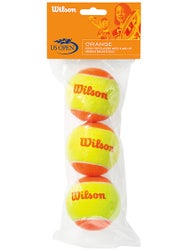
These balls are going to be the same size as the red balls, but they will travel a bit more quickly and are typically made with felt. As a general guideline, these balls are suitable for players ages 9-10.
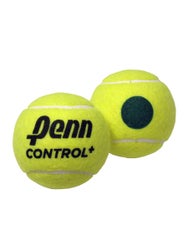
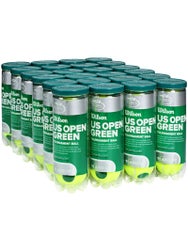
These junior balls are for the most developed young players who have the physical strength and skill to cover a full tennis court. The green dot balls are the same size as a standard tennis ball, but they move slightly slower and have a lower bounce.
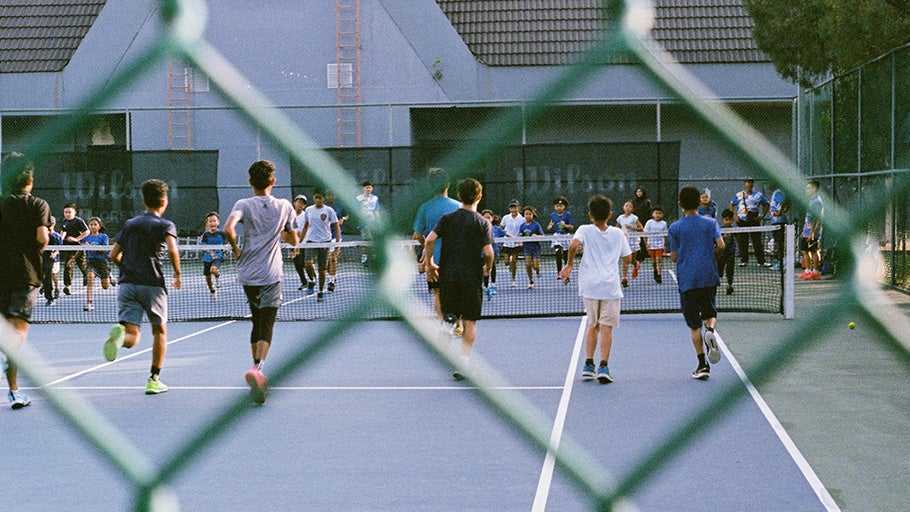
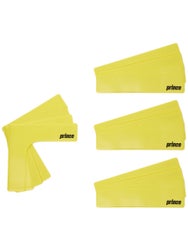
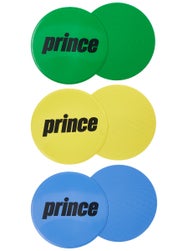
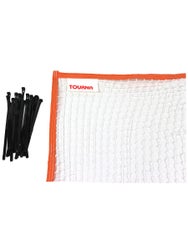
It's easy to head to any local tennis court to just get out and play and have fun! However, you can also follow the guidelines created by the USTA (United States Tennis Association, which is the governing body for tennis in the United States) to help develop junior tennis players. The balls we discussed above are designed for specific court sizes. Although you most won't find specific junior-sized tennis courts in your neighborhood, you can create the correct size a portable junior net and could use some non-slip urethane court lines.

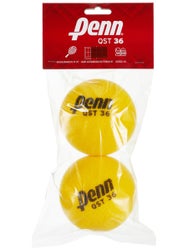
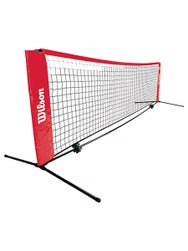
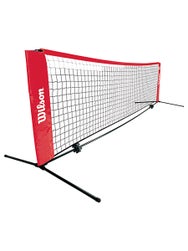
Some of the junior red balls may even have "36" printed on them or in their name, and that's a reference to the length of court they are designed for. This smaller court's playing area is 36 feet x 18 feet. The baseline of a regular tennis court including the doubles alleys would be length of this junior court. To set up this court, you would need a portable junior tennis net.

Like the red balls, orange balls might reference "60." That's the length of court they are designed for. This court's dimensions would be 60 feet x 21 feet for singles or 60 feet x 27 feet for doubles. This court setup can use the same net found on any full size tennis court along with some urethane court lines.

Again, the "78" found on some of the green balls refers to the length of the tennis court they are meant for. The 78-foot court is actually the same size as a regular full size tennis court. A regular tennis court is 78 feet x 27 feet for singles and 78 feet x 36 feet for doubles.
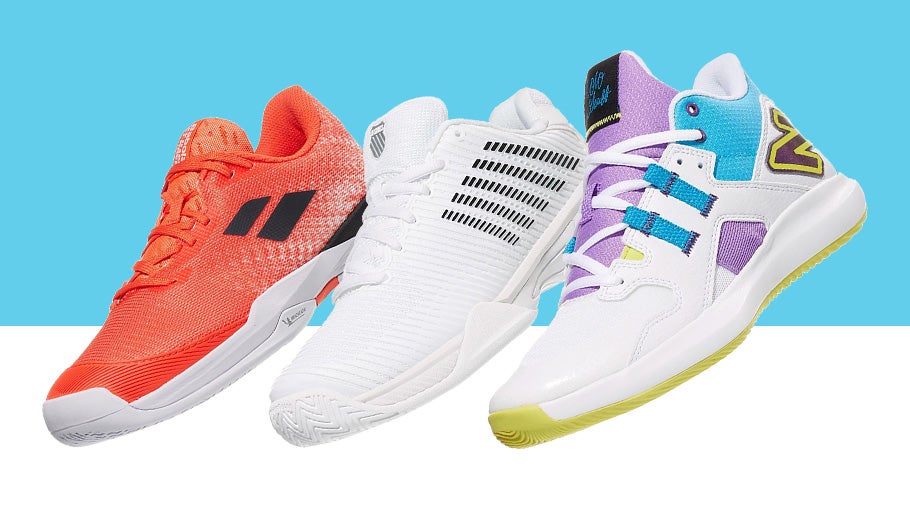
As your young player develops and improves, you'll want to invest in tennis shoes. There are a few reasons why tennis-specific shoes are important pieces of equipment. Tennis shoes are designed for the way players move on court. There's a lot of side to side movement in the game, and tennis shoes take this into account, whereas running shoes, for example, are designed for forward movements and won't be as laterally stable. There's also durability as a concern. The dominant court surface in the US is the hard court, and most junior tennis shoes are made with all-court outsoles designed to grip and withstand the grittiness of that court type. Another reason to get tennis shoes is that many courts will require players to wear non-marking outsoles. Be sure to check out our junior tennis shoe gear guide for recommendations and help with sizing.