Tennis Vibration Dampeners Explained
What a Dampener Does
The purpose of a vibration dampener is to reduce the string vibrations during contact caused by the tennis ball hitting the racquet strings. This mainly affect two aspects: the feel and sound of the stringbed. The dampener mutes the feel, meaning you feel less impact. Additionally, the pinging sound that rings out is reduced to more of a pop, or thud sound.
One common question we are asked is if dampeners make racquets more comfortable and arm friendly; in short - no. While the feel is slightly muted, vibration dampeners have not been proven to reduce the amount of shock that is sent into the arm.
While many players only play with dampeners, other players prefer feeling the ball feedback and sound (including some of our playtesters) and choose not to use a dampener. We always recommend every player to try a dampener at least once.
Types of Vibration Dampeners
Traditional Dampeners
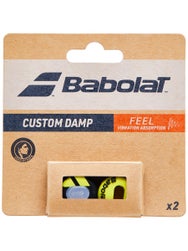
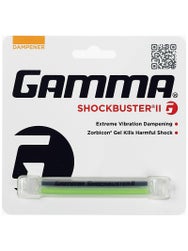
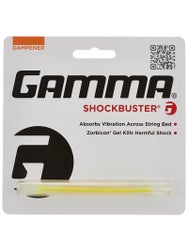
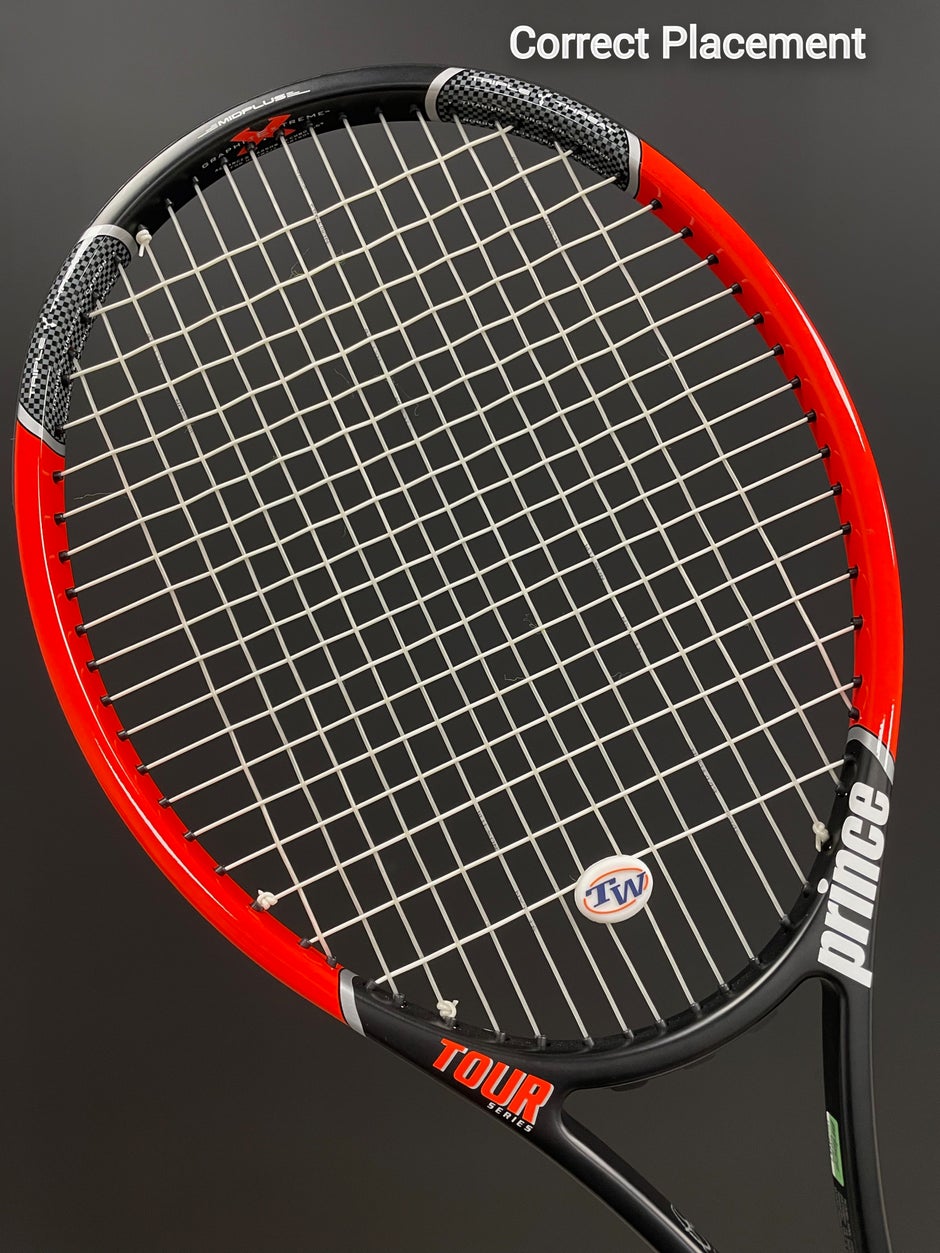
For traditional vibration dampeners like the ones pictured below, simply place the dampener between the two main strings and under all the cross strings.
- Once the dampener is seated between the two mains, slide the dampener up into the lowest cross string.
- The dampener should only make contact with strings on three sides: the left and right on the two middle main strings (the strings that run up and down), and the top of the dampener on the lowest cross string (the strings that run horizontally).
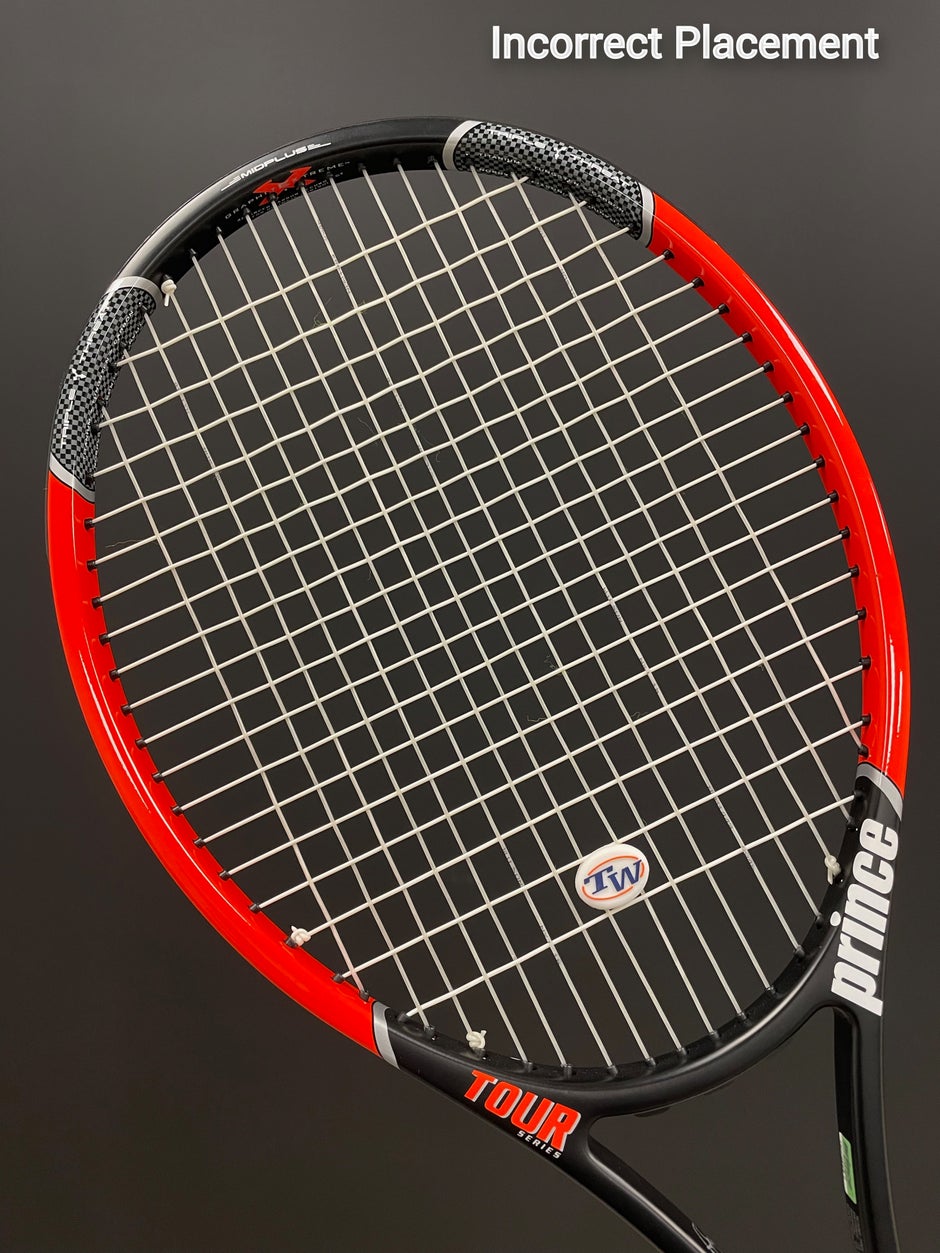
- A common error we see is the user placing the dampener between the two main strings and also the lower two cross strings, resulting in the dampener touching strings on all four sides. (More on why this is incorrect further down.)
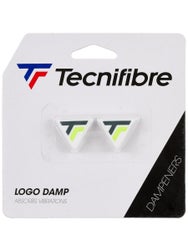

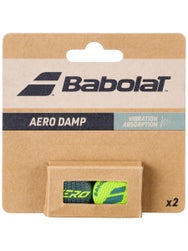

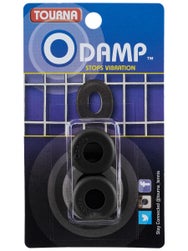
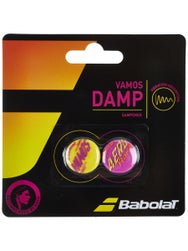
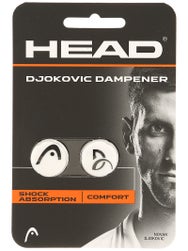
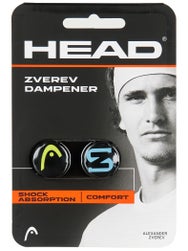

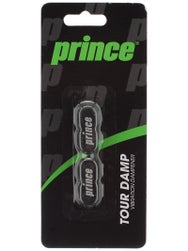
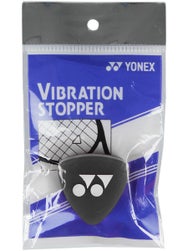
Worm Dampeners
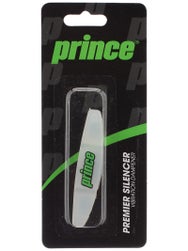
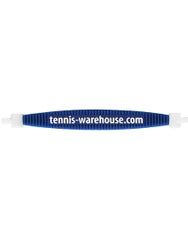
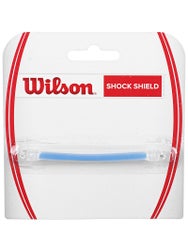
Worm Dampeners cover around 6-12 main strings. They are more resistant to "popping off" the racquet during tennis matches. They are applied by weaving the dampener through the strings and setting the ends on the most suitable main string.
- Make sure to check if the dampener is covering the main strings evenly on both sides.
- Try not to overstretch worm dampeners.


How to Install a Vibration Dampener
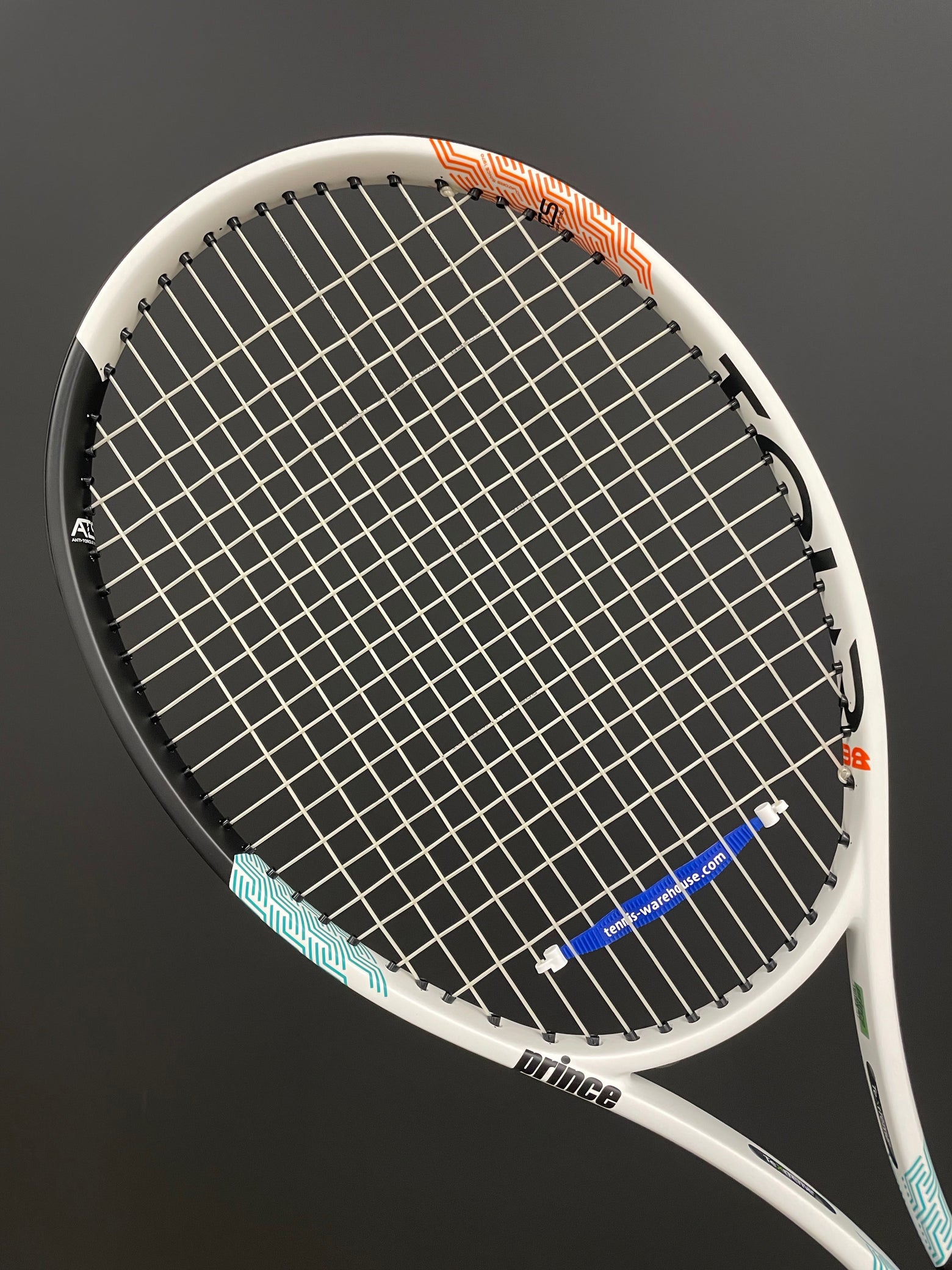
Per International Tennis Federation (ITF) regulations, dampeners can be placed anywhere desired outside the cross strings (top, bottom, left or right). We recommend placing it below the bottom cross string.
Pro Tip
Depending on materials, dampeners may stretch and wear over time. If your dampener is becoming loose and flying off the stringbed, it may be time to replace it.
Effects of Dampeners on Your Game
The biggest reason to use a dampener is if you prefer the feel and sound reduction. Dampeners will have little to no impact on your game in regards to playability. They do not reduce the actual impact on the arm and they typically range from only 2-4 grams in weight. If you have not tried one yet, we recommend giving it a shot, as they are inexpensive and may be a boost to your feel and confidence on court!
Also, your racquet may increase in swingweight by about 2 points, which might sound like a lot, but is VERY minimal. Some players like having a little more swingweight, and adding a dampener is an easy way to do so without adding tape to the frame.
Pro Tip
Swingweight is the measure of how heavy a racquet feels when swung, i.e. maneuverability. A heavy swingweight racquet is more powerful than a light swingweight racquet but will be less maneuverable.